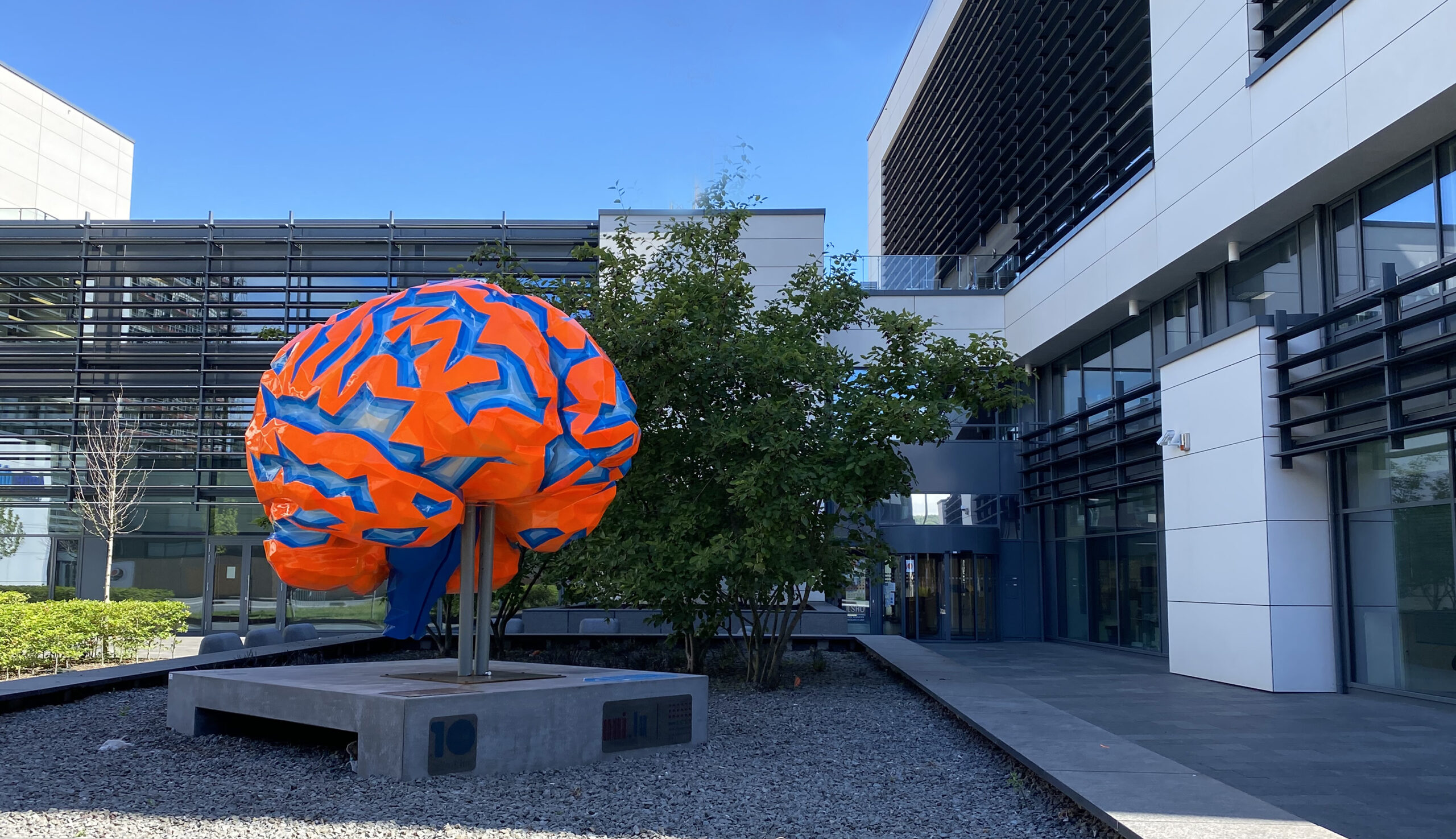
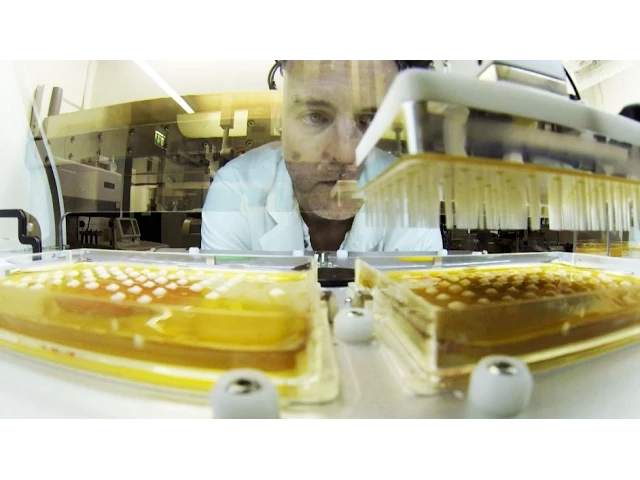
ResearchThe Luxembourg Centre for Systems Biomedicine develops and applies systems-level approaches to gain insight into the molecular and cellular mechanisms of human diseases. Experimental and computational approaches are combined to analyse the complexity of biological systems underlying disease pathogenesis. The LCSB is pioneering the way for a predictive, preventive and personalised medicine. Neurodegenerative diseases, especially Parkinson’s disease are major targets within LCSB’s research activities. We are focussing on three major areas within the field of systems biomedicine. Our research units are: Experimental Neurobiology (Balling Group) Computational Biology (Del Sol Group) Eco-Systems Biology (Wilmes Group) Bioinformatics Core (R. Schneider Group) Medical Translational Research (J. Schneider Group) Machine Learning (Vlassis Group) Enzymology & Metabolism (Linster Group) Chemical Biology (Crawford Group) Molecular Systems Physiology (Thiele Group) Systems Biochemistry (Fleming Group) The LCSB is collaborating with worldwide leading institutions. A strategic alliance with the Institute for Systems Biology (ISB), Seattle, USA, is of special significance. In order to attract the best scientists, our philosophy is one of „curiosity driven research“. The LCSB is a centre stone in the ‘ Luxembourg Health Science Plan ', which is providing 140 Mio. Euro to transform the country into a research and technology hub within Europe and beyond. The LCSB is playing a proactive role in the development of new systems biology technologies, i.e. in the area of high-throughput analysis and new computational tools, which are also relevant for the biomedical industry. The LCSB is highly interdisciplinary and works closely with other departments of the University of Luxembourg, especially those, with an expertise in molecular medicine, IT and mathematics. The LCSB will cooperate closely with clinical partners to identify and validate new targets for disease prevention and intervention. Model organisms, such as mice, will be studied providing a basis for cooperation with medical scientists and clinicians studying human biology and pathobiology. |
|